
If wastewater is coming up, start here
Stop sending water down
Turn off the washing machine and dishwasher, and ask the household to skip showers and flushing for now. Anything that goes down has to come back up somewhere.
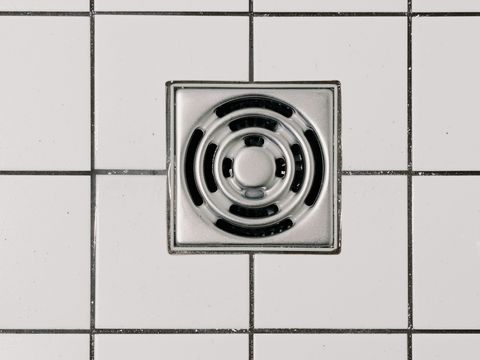
Find the gully trap
The gully trap is the grated drain outside, usually near the kitchen, bathroom or laundry, where waste pipes from the house meet the underground drain. Water rising or spilling there means the blockage sits beyond it.
Keep people and pets clear
Sewage can make people sick. Keep children and animals off wet ground, and put on gloves and sturdy shoes if you have to get close.
Report anything on public land
Wastewater pouring from a manhole or into the street is for your council or water provider, not a private tradie. Watercare, for example, asks Aucklanders to report a wastewater overflow on their property or on public land.
Signs the drain needs a professional
- More than one sink, shower or bath is draining slowly.
- The toilet bubbles, or its water level rises, when the washing machine empties.
- The gully trap is wet, overflowing or smells of sewage.
- A drain blocks again soon after someone cleared it.
- Soggy or sunken ground runs along the path of the drain.
One fitting or the main drain?
When only one fitting is slow, the blockage is usually in its trap or the first stretch of waste pipe. Hair is the common cause in showers and basins, fat and food scraps in kitchen sinks, and wipes in toilets.
When several fittings slow down together, look further along. Pipes from the kitchen, bathrooms and laundry join an underground drain that runs to the public sewer, or to a septic tank on properties without one. A blockage in that shared run backs up everything above it.
Each problem has its own page: blocked shower drains, blocked sinks and basins, outside drains and gully traps and blocked toilets.
What a plumber or drainlayer will do
A plumber or drainlayer will start by asking which fittings are affected and since when. Then they look for a way in: the gully trap, an inspection opening, or the fitting itself.
Most blockages come out with an electric drain machine, which spins a cable and cutting head through the pipe, or with a hydro jetter that blasts the pipe walls clean with water under high pressure. If the drain keeps blocking, a camera inspection shows what's going on inside.
Clearing gets water moving again, but it won't mend anything. A cracked pipe, a dip that holds waste or roots in a joint will block again, and fixing those is drain repair or relining: work for a drainlayer.
What changes the job
- Getting in: a gully trap or inspection opening in plain sight is quick, while one under paving or decking has to be found first.
- What's in there: a plug of wipes moves fast, while hardened fat or a mat of roots may need jetting.
- The pipe itself: a broken or sagging section turns clearing into repair work.
- Where it is: a blockage on the council's side follows a different process from one on yours.
- Urgency: a slow drain can wait for a booked visit, but sewage inside the house can't.
Your pipe or the council's?
New Zealand has no single rule for where your drain stops and the public one starts. Each council or water provider sets its own.
Auckland: Watercare says a problem in your private drainage needs a plumber or drainlayer. Its dividing point is the joint where your pipe meets its wastewater pipe or manhole, or where your pipe leaves the boundary if the public pipe is outside it. Manholes on private land remain Watercare's.
Christchurch: the city council says the owner looks after a gravity lateral on private land that serves one property. It also says about 70% of lateral blockages turn up in that private section, between the household gully trap and the boundary.
Whangārei: the council asks you to contact it first about blocked or slow drains on your property. It checks the public sewer without charging, and if the blockage turns out to be in your private drain, you engage a plumber.
Our guide, who fixes a blocked drain, sets out what we've confirmed for each provider. Your city page has the local detail, for example Auckland, Christchurch or Whangārei, and every place is listed under locations.
What you can do first, and what to leave
You can
- Stop using the blocked fitting and note which others are slow.
- Check the gully trap grate: is it clear, wet or lifted?
- PGDB's list of homeowner work says you can "clear blocked drains, but only if this does not involve altering or repairing the inspection pipe or ventilation pipe in any way."
- Try a plunger on a single blocked fitting, without taking any pipes apart.
- If you've already poured in a drain cleaner, tell the tradie before they open anything.
Leave to an authorised tradie
- Anything that alters or repairs the inspection pipe or vent pipe.
- Taking off or refitting traps, waste pipes or the gully trap, which PGDB lists as work a homeowner can't do.
- Repairing, altering or relaying any part of the drain.
- Sewage backing up inside the house.
Rules and paperwork
Drainlaying is restricted work. Laying, repairing, opening up or renewing a drain, and fixing or unfixing a gully trap, must be done by someone the Plumbers, Gasfitters and Drainlayers Board (PGDB) has authorised, which for most people means holding a current practising licence.
Ask to see the person's licence, as a card or in the PGDB app, and check the expiry date and that it covers drainlaying. Then search their first and last name on the PGDB register and look for the tick or green in the far-right column. Our guide shows how to check a PGDB licence.
Repairing a drain with comparable materials, or replacing a section with a comparable one in the same position, needs no building consent when an authorised person does it, and the work must still meet the Building Code. That exemption doesn't stretch to a new connection to a council or utility service, so ask your council first if one is planned.
Questions to ask the drain specialist
- Where was the blockage, and what caused it?
- Is the pipe damaged, or was it only blocked?
- Was it on my side of the boundary or the council's, and did you report it if it was theirs?
- Can I have a copy of any camera footage?
- What documents will I receive when the work is completed?

What we would do
A single slow plughole can usually wait a day while you try the basics. Several slow fittings, a spilling gully trap or sewage anywhere inside are different: stop running water and get a drain specialist in. Ask them for the cause as well as the clear, and which side of the boundary it was on. A drain that blocks twice in one season is telling you something, and footage is the quickest way to find out what.