
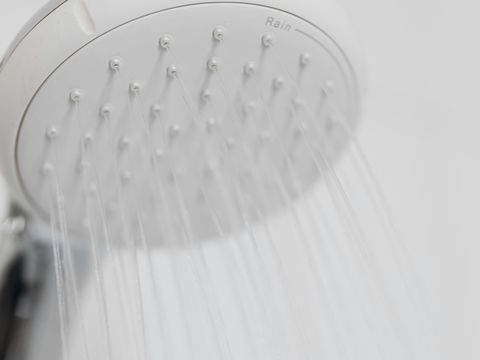
Signs of a pressure problem
- Weak flow at every tap, hot and cold.
- Hot water noticeably weaker than cold.
- Flow that drops when someone runs another tap or the washing machine starts.
- Pipes that bang or shudder when a tap shuts off.
- A valve near the cylinder dripping or discharging more than it used to.
- A sudden drop when nothing at your place has changed.
Narrow it down first
Try more than one tap
If only one tap or shower is weak, the problem is probably in that fixture, its head or its mixer.
Compare hot and cold
If cold is strong and hot is weak, look at the hot water setup before anything else.
Check the toby is fully open
After work on the pipes, the shut-off valve at the boundary is sometimes left partly closed.
Ask about the street
If the neighbours have the same problem, it's a network issue for your water provider, not a job for a plumber.
Rule out a leak
Water escaping somewhere can lower pressure. Our leak detection page has a meter test you can do.
Low pressure and mains pressure hot water
Low pressure copper cylinders are made for working pressures of no more than 120 kPa (12 m head). They can be open vented or valve vented, so low pressure doesn't automatically mean an open vent pipe through the roof. A valve vented system has a pressure relief valve in place of the open vent.
On a mains pressure system, Rheem explains, hot and cold arrive at the same pressure, which makes them easy to mix. If you have low pressure hot and mains cold, uneven flow at mixers is what you'd expect.
Moving from low to mains pressure isn't possible or simple in every house. Whether yours can be converted, and what it involves, is the plumber's call after a look. Our page on converting to mains pressure explains what to ask.
What a pressure reducing valve does
A pressure reducing valve lowers the incoming water pressure to a steady, set level for the house or for part of the system. If the one at your place is failing, you may notice pressure creeping up, banging pipes, or a relief valve letting go more often.
Hot water cylinders carry their own safety devices. The Building Code says anything that heats or stores hot water must have safety features that relieve excessive pressure and limit temperature. A valve that keeps discharging is telling you something, so get it checked rather than ignoring it.
What a plumber will do
A plumber will measure the pressure coming into the property, check the toby and meter, test and adjust or replace the pressure reducing valve, look at the cylinder's valves, and check for leaks. For banging pipes, they'll find where the pipe is loose or where the flow stops abruptly and fix that.
Network problems and your provider
If pressure has dropped along the street, ring your water provider. Tiaki Wai, which runs water for Wellington, Lower Hutt, Upper Hutt and Porirua, lists low water pressure among the faults to report to it.
In Auckland, Watercare owns the water meters and looks after the network up to the point of supply at the meter outlet. The pipes, fittings and devices on your side, a pressure reducing valve included, are yours to maintain.
The rules that touch pressure work
Valves and pipes on the water supply inside your boundary are sanitary plumbing, so an authorised plumber does the work. Repairing or maintaining an existing water heater with comparable parts needs no building consent when an authorised person does it. Changing how the cylinder is set up is an alteration to a water heater, which the general plumbing exemption excludes, so ask the plumber whether your job needs consent.
Checks you can do, and work to hand over
You can
- Test several taps and compare hot with cold.
- Make sure the toby is fully open.
- Repair or replace a tap if one fixture is the problem.
- Ask your provider whether there's a known fault or works nearby.
Leave to an authorised tradie
- Fitting, adjusting or replacing a pressure reducing valve.
- Any valve on the hot water cylinder.
- Converting from low to mains pressure.
- Curing water hammer in the pipes.

What we would do
Do the five checks above before booking anyone. If it's the whole street, it's your provider's problem; if it's one tap, it may be a quick fix. If it's the hot side, find out whether your cylinder is low or mains pressure before buying new tapware. Then tell us what you've found, and we'll pass it to a plumber who specialises in water pressure and valves.