
Signs your stormwater needs attention
- Water ponds on the driveway or against the house walls after rain.
- Downpipes overflow at the base, or water bubbles out of the ground near them.
- A sump or channel drain stays full long after the rain stops.
- It's damp under the floor, or soggy along a pipe run.
- The gully trap overflows in heavy rain, which can mean stormwater is reaching the wastewater drain.
What counts as stormwater drainage
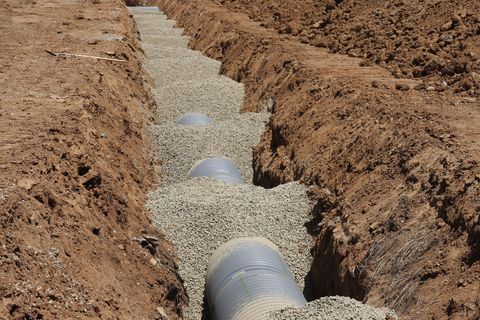
The Plumbers, Gasfitters, and Drainlayers Act 2006 includes pipes carrying stormwater in its meaning of a drain. The underground pipes leading from downpipes, sumps and channel drains are therefore drainlaying. The downpipe itself isn't, and nor is an open-jointed or perforated pipe that only collects groundwater.
Stormwater and wastewater are separate systems. Tiaki Wai, which took over water services for Wellington, Lower Hutt, Upper Hutt and Porirua on 1 July 2026, says roof pipes should run to stormwater, not wastewater, and that it asks residents to fix faults its inspections find in private drains.
Stormwater problems often show up first at outside grates and the gully trap; our page on blocked outside drains covers clearing them.
Who looks after public stormwater
It isn't always the same organisation that runs wastewater. Auckland: Auckland Council is responsible for stormwater, not Watercare. Wellington region: Tiaki Wai covers drinking water, wastewater and stormwater. New Plymouth: the district council decided to keep stormwater in-house while moving drinking water and wastewater to a new water company, Wai Hononga, which plans to take over on 1 July 2027.
Where public stormwater ends and yours begins varies, and we haven't confirmed a stormwater boundary rule for any provider. Check who fixes a blocked drain and your city page, such as Auckland, Wellington or New Plymouth, then ask the provider directly.
What a drainlayer will do
A drainlayer will trace where the water goes now: which downpipes connect to what, where the sumps and outlets are, and whether anything runs into the wastewater drain.
For a blockage, they'll clear the line and wash out silt and leaves, often with a hydro jetter. For a crushed or badly laid pipe, they'll repair or relay it with enough fall to carry water away, sometimes after a camera inspection.
For new paving or a driveway, they'll plan how the surface water is collected, with channel drains or sumps, and how it joins the stormwater system.
What changes the job
- Where the water is allowed to go, which is a question for your council before the design is settled.
- Length and depth of the pipe run, and what has been built over it.
- Silt, gravel or roots packed inside the pipe.
- Slopes, retaining walls and the neighbouring sections.
- Whether a building consent is needed.
What you can do, and what to leave
You can
- Clear leaves from gutters, downpipe heads, sump grates and channel drains.
- Note where water ponds, and take photos during heavy rain.
- Clear a blocked stormwater line, which PGDB counts as homeowner work as long as no inspection pipe or vent pipe is altered or repaired.
- Ask your council where stormwater may go before planning new paving.
Leave to an authorised tradie
- Laying, extending or relaying any stormwater drain.
- Repairing broken or crushed pipes.
- Redirecting a downpipe that runs into the wastewater drain.
- Any new connection to the council's network.
Consent and licences
New stormwater drains are building work and need a building consent unless an exemption applies. Repairing drainage with comparable products, or replacing a length with a comparable one in the same position, is exempt when an authorised person does it. Minor drain alterations are exempt too, but a new connection to a council or utility service is not, and all of it must meet the Building Code.
Stormwater drainlaying is restricted work like any other drainlaying. Check the drainlayer's own name on the PGDB register; our licence guide shows how, and the drainlayers page explains the licence classes.
Questions to ask the drainlayer
- Where will the water end up, and does the council need to approve that?
- Is any downpipe connected to the wastewater drain?
- Does this need a building consent?
- Will you camera the existing pipes first?
- What paperwork will I get at the end?

What we would do
Walk the section in heavy rain before you ring anyone: where water ponds and which downpipes overflow tells a drainlayer most of what they need. Clear the gutters and grates first. If water still sits against the house, or the gully trap overflows when it rains, get a stormwater drainlayer to trace the system, and talk to the council early if new drains or a new connection are on the cards.